
A cleaner energy pathway for African communities
- Paul Tompsett
- Jan 12
- 2 min read
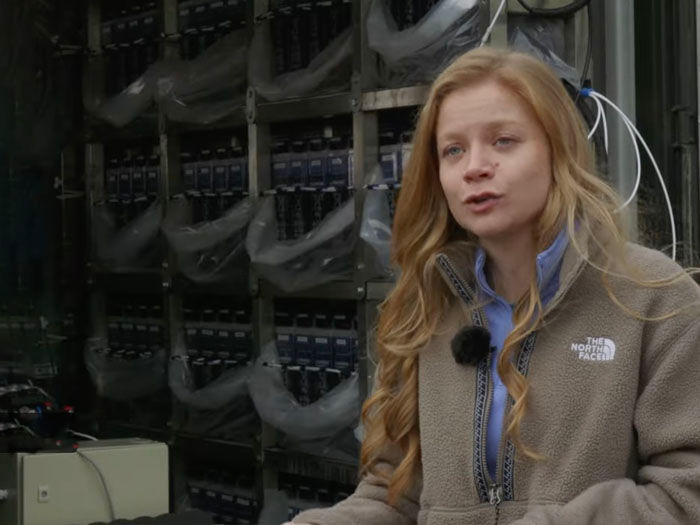
Access to reliable electricity remains a major challenge across large parts of sub-Saharan Africa. For many communities, energy scarcity affects everything from education and health to environmental sustainability. This project explores how a battery-electrolyser system could help address several of those challenges at once.
At its core, the battery-electrolyser is a containerised energy system that combines electrical storage with hydrogen production. Like a conventional battery, it stores electricity for later use, what makes it different is what happens when surplus energy becomes available.
Rather than being wasted, excess electricity is used to split water inside the battery through a process known as electrolysis. This produces hydrogen and oxygen. The hydrogen is captured, compressed and stored, ready to be used as a clean energy source.
One of the most immediate applications is clean cooking.
In many African communities, households rely on wood and biomass for cooking fuel. Collecting this wood places pressure on surrounding environments, accelerating deforestation, burning it indoors releases harmful pollutants, which are a leading cause of respiratory illness and premature death, particularly among women and young children.
Hydrogen offers a fundamentally different outcome – when used for cooking, the only by-product is water. There is no smoke, no particulate pollution and no long-term damage to local eco-systems.
The system featured in this project is being deployed to a school in Zambia. There, the batteries will provide electricity for classrooms and teachers’ accommodation, while the hydrogen produced will be used for cooking. It is a practical demonstration of how energy systems can support education, health and community well-being simultaneously.
From a technical perspective, the system operates in a simple and robust way. The battery contains multiple cells filled with an electrolyte solution. As water is converted into hydrogen and oxygen, a water top-up system maintains balance within the battery. The hydrogen is then transported through pipework to a compressor and stored in tanks, ready for use.
Beyond this individual deployment, the broader potential of battery-electrolysers is significant. These systems can be coupled with renewable energy sources such as solar or wind, creating closed-loop energy solutions that reduce reliance on central grids. While their impact in energy-constrained regions is clear, similar principles could also be applied globally, including alongside wind farms and renewable infrastructure in the UK.
This project highlights work being developed by Loughborough University, whose research into battery-electrolyser technology is exploring practical ways to combine energy storage and hydrogen production within a single, adaptable system. Ronella is sharing this project as part of its wider interest in sustainable energy innovation – supporting ideas that demonstrate real social and environmental benefit, and that have the potential to improve access to clean, resilient energy systems in regions where it is needed most.


Comments