
The future of EV charging
- Paul Tompsett
- Jan 12
- 2 min read

Some ideas arrive at exactly the right time, others arrive early – not because they’re wrong, but because the eco-system around them hasn’t quite caught up yet.
At Ronella, this kind of thinking sits at the heart of our Research and Development work. One such idea emerged from observing how quickly electric vehicle adoption was accelerating, while the experience of charging often lagged behind the ambition driving that transition.
Rather than focusing solely on speed or technology, the concept looked at the wider experience surrounding EV charging and questioned whether existing infrastructure truly reflected how people use their vehicles in real life.
A concept rooted in real-world friction
Much of the thinking came from everyday friction. Charging points were frequently positioned in poorly lit, hard-to-navigate car parks, often feeling like an afterthought rather than a core part of transport infrastructure. Accessibility was inconsistent, with limited consideration given to wheelchair users, drivers towing caravans or those who simply wanted a safer, more comfortable environment while they waited.
The concept imagined something more considered: undercover, high-speed charging hubs designed around safety, accessibility and ease of use. Drivers could remain in their vehicles if they wished, supported by live information displays, or step into well-designed spaces offering refreshments, wellbeing facilities and a calmer, more human experience.
It wasn’t about indulgence or spectacle. It was about dignity, efficiency and respect for people’s time.
What gave the idea additional weight was that it didn’t stop at the charger itself. It asked a broader question, one that has only become more relevant as EV adoption continues to scale:
How can future charging infrastructure grow without placing unsustainable pressure on the National Grid?
The concept explored the potential of powering hubs through on-site renewable energy, such as wind and solar, helping to reduce grid demand while offering greater resilience and security of supply. It was a systems-led approach rather than a single-solution response.
Why it didn’t move forward – yet
Bringing large-scale infrastructure ideas to life requires alignment across technology, partnerships and investment. While the concept itself was strong, the surrounding conditions needed to support delivery were not yet fully in place.
Rather than forcing momentum prematurely, Ronella made a conscious decision to pause the idea, recognising that responsible innovation sometimes means knowing when not to proceed.
Good R&D doesn’t always result in immediate implementation. Its value often lies in testing assumptions, refining thinking and understanding when timing matters just as much as vision.
Why it still matters
As conversations around EV infrastructure continue to evolve, issues such as accessibility, user experience and grid resilience are no longer secondary concerns, they are central to long-term success.
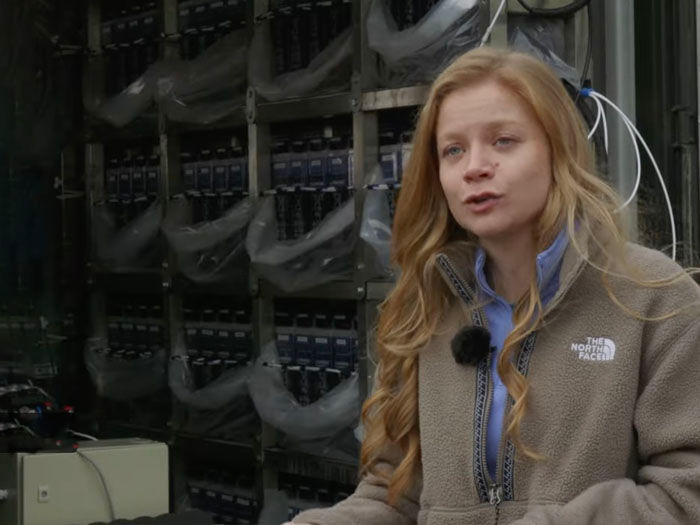
That makes this concept just as relevant today as when it was first explored. The video shared on our Research and Development page captures that thinking as it was formed – not as a promise or proposal, but as an example of how Ronella approaches innovation: thoughtfully, responsibly and with a long-term perspective.
Some ideas simply wait for the right conditions – this is one of them.

Comments